Joice Colin: A Chic Script Font for Elegant Branding
As I opened a fresh brand board for a local café's visual refresh, I knew I needed something that would capture the essence of elegance and charm. That's when I stumbled upon Joice Colin, a script font that promises to bring a touch of class to any design project.
First Impressions: Visual Characteristics and Personality
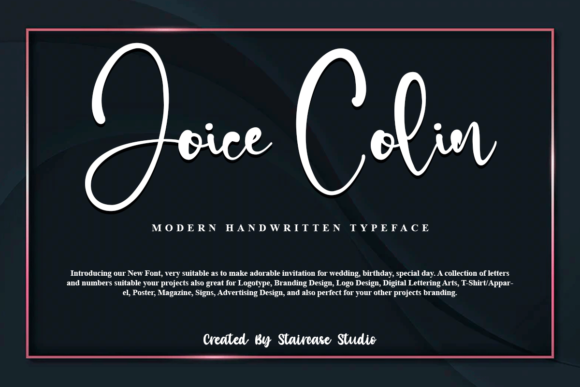
Joice Colin is a premium font that exudes elegance with its flowing, cursive style. The letters are well-spaced, with a slight bounce that adds a dynamic, almost handwritten feel. This font is perfect for projects that need a touch of sophistication without being overly formal. The overall mood is refreshing and inviting, making it ideal for brands that want to stand out with a unique, yet approachable look.
Joice Colin in Action: Real-World Branding Applications
I started by testing Joice Colin on a logo concept for the café. The fluid lines and graceful curves made the café's name come alive, giving it a personal, handcrafted feel. When compared to other script fonts, Joice Colin stood out with its balance of elegance and readability. It was neither too ornate nor too simple, striking the perfect balance for a café that prides itself on both quality and warmth.
Next, I moved on to the packaging mockup. The font worked beautifully on the coffee bag labels, adding a touch of luxury while still feeling approachable. The legibility was excellent, even at smaller sizes, which is crucial for product packaging. The font also performed well on the business card, where it added a memorable, elegant touch to the contact information.
In the website header, Joice Colin made a strong first impression. The font's natural flow and gracefulness complemented the clean, modern layout, creating a visually appealing and welcoming experience. For social media graphics, the font's versatility shone through, as it looked equally stunning on Instagram posts and Facebook banners, maintaining the café's consistent and polished brand identity.
Readability and Versatility: Where Joice Colin Shines
Joice Colin is best used as a display font, headline font, or accent font. Its elegant, flowing style makes it an excellent choice for short phrases, logos, and decorative elements. However, it may not be the best fit for long body text or small sizes, where readability can become a concern. For these purposes, pairing Joice Colin with a clean, sans serif font like Helvetica or a classic serif font like Garamond can create a balanced and professional look.
When using Joice Colin in a commercial setting, it's important to review the included styles, alternates, and ligatures. The font offers a variety of swashes and stylistic alternatives, allowing for customization and creativity. Additionally, checking for multilingual support and webfont availability is essential, especially if you plan to use the font across different platforms and languages.
Practical Tips for Using Joice Colin
Before incorporating Joice Colin into your final client work, it's always a good idea to test it in various contexts. Experiment with different sizes, colors, and backgrounds to see how the font performs. Consider the overall brand identity and ensure that the font aligns with the desired tone and message. For instance, Joice Colin might not be suitable for a corporate or highly formal brand but could be perfect for a boutique, creative studio, or handmade shop.
Lastly, always check the commercial font licensing before using Joice Colin in client work, brand identity, packaging, templates, merchandise, websites, digital products, or print-on-demand products. This ensures that you have the necessary permissions and helps avoid any legal issues down the line.
In conclusion, Joice Colin is a versatile and elegant script font that can elevate any design project. Its chic and refreshing style makes it a standout choice for logos, packaging, and social media graphics. With thoughtful testing and proper licensing, Joice Colin can add a touch of class and sophistication to your brand, making it a valuable addition to your design toolkit.